Meira vs. fleira
People often get ‘meira’ and ‘fleira’ confused since they can both translate to ‘more’, but they actually mean very different things. Let’s make this distinction easi(er) to understand!
Please note that my goal in this article is to help you understand the MEANING of these words and when to use which, not how to inflect them. Check out icelandicgrammar.com for details on inflection, and remember that BIN is your friend.
If you want to practice when to use what form, check out the exercises on Grammar made easi(er)!
In a nutshell
These are countable:
- Margir - fleiri - flestir = Many - more - most
These are uncountable:
- Mikið - meira - mest = Much - more - most
English mixes up countable and uncountable with more and most. Icelandic keeps a separation the whole time.

What even is “Countable” and “Uncountable”?
This is one of those wonderful times where the grammar jargon is perfectly clear:
- You can count things which are countable (one pot, two chairs, three lamps)
- You cannot count things which are uncountable (one milk? Two arts? Three electricities?)
In English, many is used for countable things and much is used for uncountable things.
- Many pots, many chairs, many lamps
- Much milk, much art, much electricity
If you mix them up and say something like “much pots” or “many milks” it just sounds weird. Icelandic is the same.
Where the Confusion Comes From
The confusion really stems from the fact that English half-assed their countable/uncountable distinction and gave up halfway through. English started strong with many and much, but forgot to finish its homework. It mixes countable and uncountable with more and most.
- Many - more - most
- Much - more - most
Icelandic, by contrast, is consistent all the time.
- Margir - fleiri - flestir = many - more - most (countable)
- Mikið - meira - mest = much - more - most (uncountable)
Let’s look at some examples. Sentences with many and much are pretty straightforward.
- Það eru margir hestar í hesthúsinu = There are many horses in the stable.
- Það er mikið hey í hesthúsinu = There is much hay in the stable.
But then we get to more - most, where English stops making a countable / uncountable distinction, but Icelandic does.
- Það eru fleiri hestar úti á akri = There are more horses out in the field.
- Það er meira hey úti á akri = There is more hay out in the field.
- Flestir hestanna eru hvítir = Most of the horses are white.
- Mest af heyinu er nýtt = Most of the hay is new.
Fleiri and Meira
Fleiri is for countable things. Meira is for uncountable things.
Fleiri - flestir = More - most
This is what you use for countable more and most.
- Það eru fleiri stólar inni í stofu = There are more chairs in the living room.
- Eitthvað fleira? = Anything else? (you really mean ‘do you want to buy more things?’ when you say that).
- Flestir lottóvinningshafar tapa öllu = Most lottery winners lose everything.
- Færeyingar eru búnir að tengja flestar eyjarnar sínar saman með jarðgöngum = The Faroese have connected most of their islands with underground tunnels.
Meira - mest = More - most
This is what you use for uncountable more and most.
- Það er meiri súpa í pottinum = There’s more soup in the pot.
- Langar þig í meira? = Do you want some more?
- Það skiptir mestu máli að æfa sig = It matters most to practice.
- Mest rafmagn er notað á daginn = Most electricity is used in the day time.
The Gray Areas
Some things aren’t super clearly countable or uncountable. Take a look at these potatoes. Can you count them?
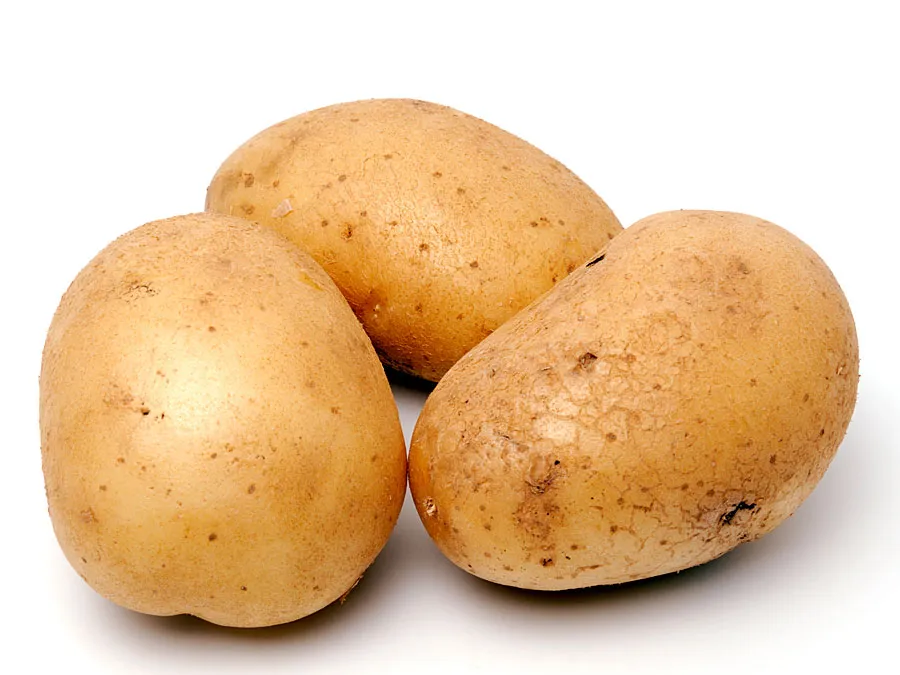
Yeah, of course: one, two, three. Three potatoes. We make the Sesame Street Vampire count proud. These potatoes are clearly countable. So you use fleiri.
- Viltu fleiri kartöflur? = Do you want more potatoes?
- Ég fann fleiri kartöflur í ísskápnum = I found more potatoes in the fridge.
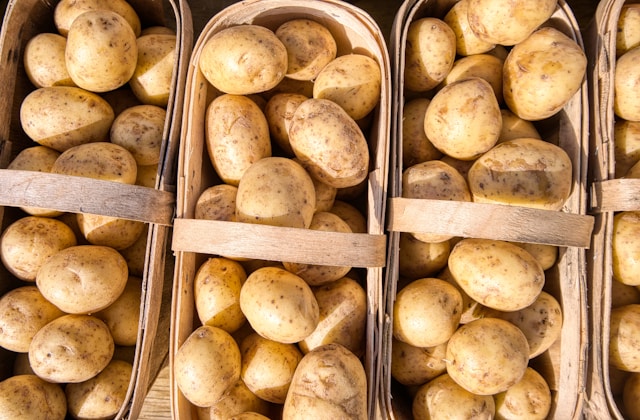
What about these potatoes? Can you count them?
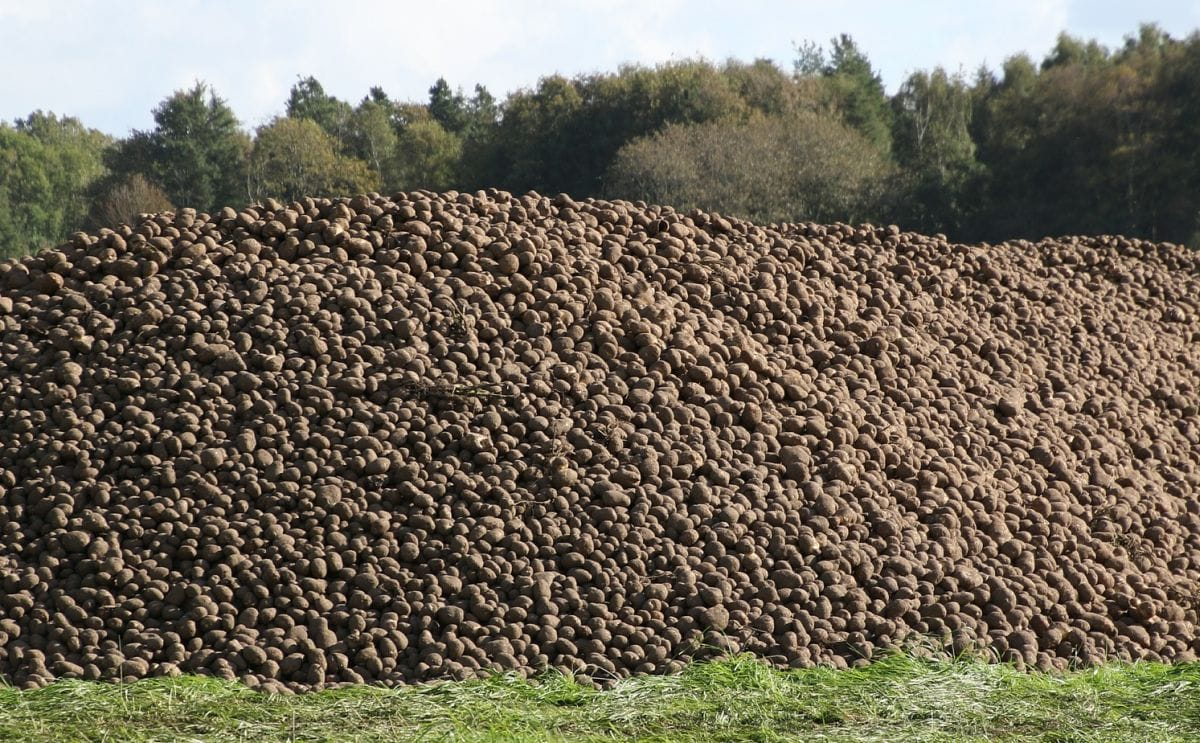
Uh…theoretically, I guess? But that is a metric hecking duckton of potatoes: no way I'm counting all of them individually. No speaker would conceptualise this as “countable”. There are so many of them that it’s more reasonable to talk about how many tons of potatoes there are than how many potatoes there are.
When there’s enough of a countable thing, speakers can start treating it as uncountable. So you can use mikið - meira - mest.
- Viltu meiri kartöflur? = Do you want more potatoes? (there are lots of small potatoes, enough that I can’t be arsed to think of them as countable)
- Það eru meiri kartöflur í pottinum? = There are more potatoes in the pot.
Summary
Use these for things you can count, like chairs, phones, or a few potatoes:
- Margir - fleiri - flestir = Many - more - most
Use these for things you can’t count, like electricity, milk, or huge amounts of potatoes:
- Mikið - meira - mest = Much - more - most
Now go forth and practice what you’ve learned over at Grammar made easi(er)!
Related reading
If you found this interesting, you might also be interested in these articles.